Anthropocene Footprints: How Human Actions Reshape Earth’s Ecosystems
In recent decades, the term “Anthropocene” has become a critical focus in environmental discussion. Suggesting a new geological epoch, the Anthropocene marks the significant impact humans have on Earth’s ecosystems and geological processes. This article explores how human activities reshape Earth’s ecosystems, driving profound changes that pose both challenges and opportunities for sustainable management.
Understanding the Anthropocene Epoch
The concept of the Anthropocene proposes that human activities have become so influential that they rival the great forces of nature, significantly altering the planet’s systems. Several geological markers, such as radionuclides from nuclear tests, microplastics, and high levels of carbon dioxide, characterize this epoch. This designation not only underscores the ubiquity of human impact but also emphasizes the precarious balance between human development and environmental sustainability.
Key Areas of Human Impact on Ecosystems
Human actions have modified Earth’s landscapes and biological networks through various means. Here, we explore several key areas where these changes are most pronounced.
Deforestation and Habitat Loss
Habitat destruction, primarily through agriculture and urbanization, is perhaps the most apparent sign of the Anthropocene. Widespread deforestation, particularly in tropical regions, has led to immense biodiversity loss and alterations in carbon cycling—a major factor in climate change. This destruction disrupts habitats and causes species extinction, highlighting the urgent need for sustainable land management practices.
Pollution
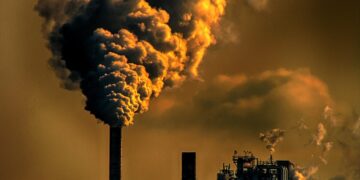
Pollution spans air, water, and soils, affecting all organisms including humans. Industrial waste, plastic pollution, and unintended pesticide release contribute to ecosystem toxification, modify chemical compositions, and threaten water quality and biodiversity. Curbing pollution is essential for restoring ecosystem balance and ensuring that natural habitats can function properly.
Climate Change
Driven by the burning of fossil fuels, deforestation, and industrial practices, climate change is perhaps the most far-reaching impact of the Anthropocene. Rising temperatures, altered rainfall patterns, and increased frequency of severe weather events disrupt ecosystems globally, forcing species migration and adaptation, and leading to new health challenges for all species, including humans.
Effects of Human Actions on Specific Ecosystems
The impact of human activities varies significantly across different ecosystems:
Oceans
Ocean systems are profoundly affected by overfishing, pollution, and acidification due to increased carbon dioxide levels. Coral reefs are dying at alarming rates, fish populations are dwindling, and the ocean’s role as a carbon sink is becoming compromised, all of which affect global and local communities ecologically and economically.
Forests
Forests around the world are being depleted. The Amazon Rainforest, often referred to as the “lungs of the Earth,” is severely impacted by deforestation due to logging and land clearance for agriculture. Such activities not only contribute to biodiversity loss but also to the release of stored carbon, exacerbating climate change.
Urban Areas
While not traditional ecosystems, urban areas are novel ecological systems heavily shaped by human design. Urban sprawl impacts local wildlife, changes natural river courses, and modifies microclimates. Green architecture and urban planning are growing fields that aim to mitigate these impacts by integrating natural elements into city planning.
Strategies for Mitigating Human Impact
Recognizing the vast influence of human activities, several strategies have been proposed and implemented to mitigate environmental impact while maintaining necessary economic growth:
Sustainable Resource Management
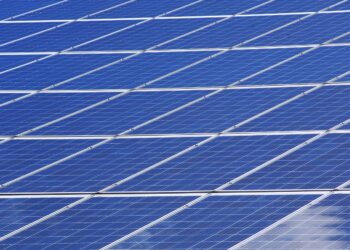
Sustainable management of natural resources, such as water, minerals, and forests, ensures that these are available for future generations. Practices such as recycling, responsible production, and the use of renewable energy sources are critical in this regard.
Conservation Efforts
Conservation projects focus on protecting key species and habitats. Protected areas, wildlife corridors, and biodiversity initiatives help preserve the natural properties of ecosystems, aiming to maintain their functionality and resilience against anthropogenic pressures.
Policy and Legislation
Effective policy and robust legislation are essential to enforce regulations that limit pollution, manage land use, and protect endangered species. International agreements like the Paris Agreement play vital roles in aligning different regions towards common environmental goals.
Conclusion: The Road Ahead in the Anthropocene
The Anthropocene epoch is a call to action. As stewards of the Earth, it is incumbent upon humanity to devise and implement strategies that promote a sustainable coexistence with the natural world. By understanding the extensive effects of our actions and adopting integrative and forward-looking approaches, we can hope to alleviate the pressures on Earth’s ecosystems, ensuring their health and vitality for future generations.