Unlocking the Future with Green Energy: Best Renewable Sources
As the world gravitates towards sustainable solutions, the significance of green energy becomes increasingly paramount. In this exploration of renewable energy sources, we’ll delve into the most effective options that not only promise to mitigate environmental damage but also offer new avenues for economic growth and energy security.
The Imperative of Green Energy
Amidst rising concerns about climate change and environmental degradation, green energy emerges as a crucial alternative to fossil fuels. These renewable sources of energy not only help reduce carbon emissions but also provide a sustainable path to meet the global energy demand without compromising the health of our planet.
Top Renewable Energy Sources
Several renewable energy sources have proven effective in contributing to sustainable energy solutions. Each source holds unique benefits and, depending on geographical and technological factors, can be more suitable for certain regions than others.
Solar Power
Solar energy, harnessed from the sun using photovoltaic cells or solar panels, stands out as one of the most prominent and accessible forms of green energy. Global solar energy usage has surged, thanks to its scalability from small, personal setups to large, utility-scale solar farms.
Benefits:
- Sustainability: Solar power provides a virtually limitless source of energy, with the only limitation being daylight availability.
- Cost-effectiveness: After the initial setup costs, solar energy incurs few ongoing expenses, and advances in technology continue to drive down costs.
- Adaptability: Solar installations can vary in size, making them adaptable for rural homes or large urban areas.
Wind Power
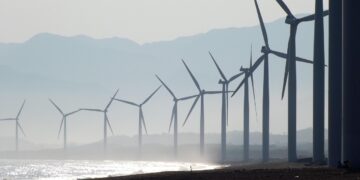
Wind energy, captured through wind turbines, is another fast-growing sector. Turbines can be situated on land or offshore, which broadens their application and potential energy yield.
Benefits:
- High Efficiency: Wind farms can generate vast amounts of electricity, often enough to power thousands of homes.
- Low Operational Costs: Wind turbines generally require minimal maintenance once installed, reducing long-term costs.
- Land Use Flexibility: Land around wind turbines can still be used for agricultural purposes or wildlife.
Hydropower
Hydropower utilizes the flow of water to generate energy. It’s one of the oldest and most reliable sources of renewable energy, having powered industries and homes for decades.
Benefits:
- Consistency: Unlike solar and wind, hydropower is not dependent on weather conditions, providing a steady and reliable energy source.
- Storage Capability: Water in reservoirs can serve as energy storage to manage supply and demand.
Geothermal Energy
Geothermal energy harnesses the Earth’s internal heat. This method is particularly viable in volcanic areas where the Earth’s crust is thinner, facilitating access to subsurface heat.
Benefits:
- Stability: Geothermal energy is a continuous source, unaffected by weather or seasonal changes, offering unmatched reliability.
- Low Footprint: Geothermal plants typically require a smaller land footprint compared to other power plants.
Integrating Green Energy into the Grid
The integration of renewable energy sources into national power grids is a technical challenge but essential for achieving sustainability goals. Smart grids and energy storage technologies like batteries and pumped-storage hydroelectricity play vital roles here. These technologies help manage the variability of wind and solar energy and ensure a stable energy supply.
Future Prospects and Innovations
The future of green energy is bright, with ongoing research and technological advancements paving the way for more efficient and cost-effective solutions. Innovations such as floating solar farms and bladeless wind turbines are among the exciting developments enhancing the potential of renewable resources.
The Economic Impact of Renewable Energy
Transitioning to renewable energy not only helps the planet but also influences global economies. Job creation in the green sector, decreases in healthcare costs due to reduced pollution, and the stability of energy prices all contribute positively to economies around the world.
Overcoming Challenges
Despite its many benefits, the transition to green energy faces significant challenges, including economic, technological, and political hurdles. Overcoming these requires coordinated efforts between governments, businesses, and individuals to embrace policy changes and innovate financing mechanisms.
Conclusion
The future powered by green energy is not only imperative but inevitable. As we continue to explore and invest in renewable energy sources, their integration into our daily lives becomes more seamless, promising a sustainable and prosperous future for all.
By understanding and leveraging the best renewable energy sources, we are unlocking a path forward that benefits both our environment and our economies, ensuring a resilient and energy-rich future.