Green Living: Transforming Your Home with Renewable Energy Solutions
Introduction to Renewable Energy for Homeowners
In recent years, awareness about the benefits of green living has significantly increased. Homeowners worldwide are now exploring renewable energy solutions to reduce their carbon footprint and enhance their energy efficiency. With advances in technology, integrating renewable energy sources such as solar panels, wind turbines, and geothermal systems into your home is becoming more accessible and cost-effective.
Why Opt for Renewable Energy?
Economic Benefits
Switching to renewable energy can substantially reduce your utility bills. Although the initial setup cost can be high, the long-term savings are significant. Additionally, many governments offer tax incentives, rebates, or grants to encourage renewable energy adoption, further reducing the overall cost.
Environmental Impact
Traditional energy sources, largely based on fossil fuels, have a profound negative impact on the environment, contributing to air pollution and climate change. Conversely, renewable energy sources produce little to no greenhouse gases, helping to preserve the environment for future generations.
Energy Independence
Renewable energy contributes to greater energy independence. By generating your energy, you are less dependent on national grid systems and fluctuations in energy prices, providing a consistent and reliable energy supply.
Popular Renewable Energy Solutions for Homes
Solar Energy Systems
Solar Panels
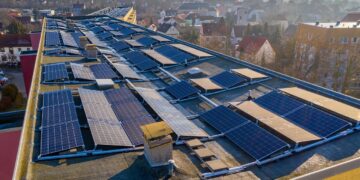
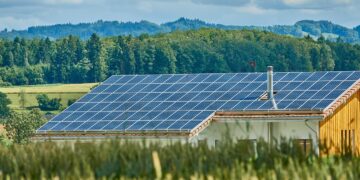
Solar panels are among the most popular renewable energy solutions for homes. They are relatively easy to install and work by converting sunlight directly into electricity. The amount of electricity generated depends on the size of the installation and the amount of sunlight the area receives.
Solar Water Heating
Another solar technology is solar water heating systems. These systems use solar panels to heat water that is then stored in a hot water tank, reducing the electricity or gas required to heat water.
Wind Energy
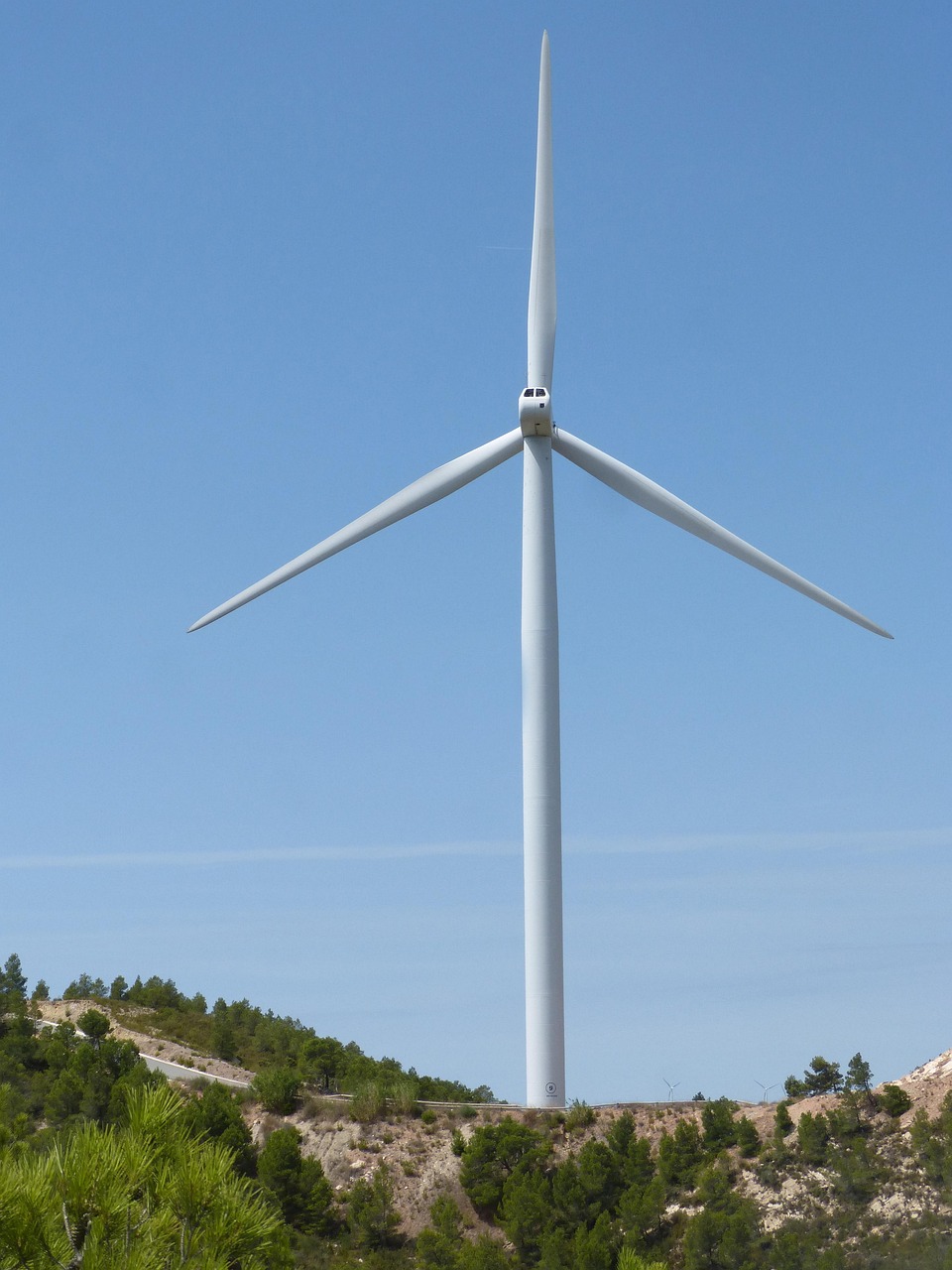
For properties with sufficient space and the right climatic conditions, small wind turbines can be an effective way to generate electricity. These systems are best suited for rural areas but can be adapted for suburban areas if local regulations permit.
Geothermal Energy
Geothermal energy systems use the stable underground temperature to heat and cool your home. They involve installing a series of pipes underground to circulate fluid. This system extracts heat from the ground during winter for heating and dispels heat to the ground during summer for cooling.
Integrating Renewable Energy into Your Home
Assessment and Planning
The first step in adopting renewable energy is to assess your home’s suitability for different technologies and identify your energy needs. Hiring a professional to conduct an energy audit and feasibility study can provide clarity on the most beneficial and cost-effective solutions.
Installation
Once you have decided on the best renewable energy solution for your home, the next step is installation. It’s crucial to work with certified and experienced professionals to ensure that the system is safely installed and optimized for maximum efficiency.
Maintenance
While renewable energy systems require less maintenance than traditional energy systems, regular checks are necessary to ensure they operate optimally. Routine maintenance tasks might include cleaning solar panels, checking wind turbine blades for damage, and inspecting geothermal system fluid levels.
Financial Considerations
Upfront Costs
The initial cost can vary widely depending on the system chosen and the scale of installation. For example, solar panel installations can range from a few thousand to tens of thousands of dollars.
Return on Investment
Despite the upfront costs, the reduction in monthly energy bills means renewable energy systems often pay for themselves over time. The average payback period can vary from 5 to 15 years, depending on the system and energy usage.
Financing Options
Many financial institutions now offer green loans specifically designed for homeowners looking to install renewable energy systems. Additionally, government incentives can significantly reduce the overall cost.
Conclusion
Transforming your home with renewable energy solutions not only contributes to a greener planet but also offers significant economic benefits and energy independence. By choosing suitable renewable energy sources and considering financial options and professional installation, homeowners can efficiently transition to a sustainable lifestyle. As renewable technology continues to advance, the move towards green living becomes even more accessible to all, marking a key solution in addressing global environmental challenges.