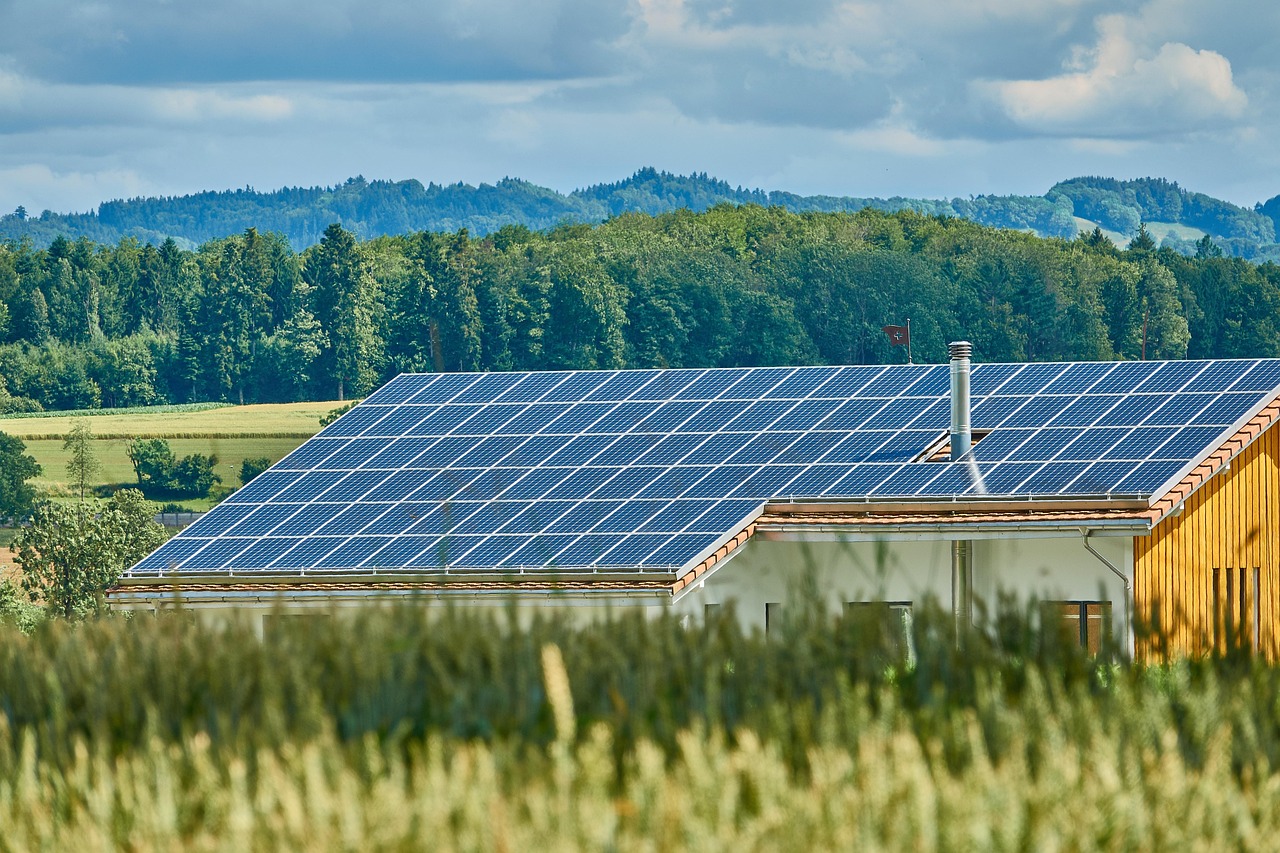
Unveiling the Dual Edges of Renewable Energy: Environmental Benefits
Renewable energy is a critical component in the global effort to achieve a sustainable future. As the impacts of climate change become more evident, the shift from fossil fuels to renewable energy sources is not just a trend but a necessity. This article explores the environmental benefits of renewable energy, delving into how it helps combat climate change, reduce air pollution, and minimize ecological footprints.
Combatting Climate Change with Renewable Energy
Climate change stands as one of the most daunting challenges of our time, with global temperatures rising at an alarming rate. Renewable energy sources like solar, wind, hydro, and biomass play a pivotal role in tackling this issue. Unlike traditional fossil fuels, renewable resources emit little to no greenhouse gases or pollutants into the atmosphere.
Utilizing renewable energy can significantly decrease the amount of carbon dioxide and other harmful gases released by power generation. For instance, solar power generates electricity without carbon emissions, making it a clean energy source that contributes to a reduction in the global carbon footprint. Similarly, wind energy harnesses the natural wind patterns to produce electricity, circumventing the need for burning fossil fuels.
Improving Air Quality and Public Health
Beyond just limiting greenhouse gases, renewable energy contributes to cleaner air and improved public health. The combustion of fossil fuels is a major source of air pollution, which can lead to respiratory diseases, heart conditions, and other serious health issues. By minimizing reliance on these fuels, renewable energy technologies help reduce air pollution and associated health risks.
Areas that adopt renewable energy sources often experience noticeable improvements in air quality. A study showed that regions with high usage of clean energies report lower cases of asthma and other respiratory ailments. The direct health benefits of clean air include longer life expectancy and reduced health care costs, providing not only environmental but also economic benefits.
Safeguarding Ecosystems and Biodiversity
Renewable energy installations typically have a lesser environmental footprint compared to conventional energy technologies. For example, hydroelectric power, while dependent on large-scale water installations, does not emit harmful byproducts into water sources and can be managed to support the surrounding ecosystems.
The production of renewable energy equipment, such as solar panels and wind turbines, also tends to be less invasive and harmful to the environment. These technologies, once installed, do not require extraction of raw materials, a process which can be detrimental to ecosystems. Moreover, technological advancements continue to improve the efficiency and environmental compatibility of these installations, further reducing their ecological impact.
Promoting Sustainable Use of Land and Resources
Another significant environmental benefit of renewable energy is the sustainable management of natural resources. For instance, solar farms can be established on non-arable land, optimizing land use without interfering with food production. This dual-use approach, especially in rural areas, can boost local economies and promote sustainable development.
Additionally, as wind and solar energy require essentially no water for operation, they do not strain local water resources, unlike nuclear or coal plants which require large amounts of water for cooling purposes. The shift to renewable energy thus safeguards water resources and ensures their availability for other needs.
Driving Advances in Energy Efficiency and Innovation
Renewable energy technologies are continually evolving. Innovations in solar panel and wind turbine design have made them more efficient, less expensive, and more accessible. This drive towards better technology is not just improving the cost-effectiveness of renewable energy—it’s also enhancing its environmental benefits.
Energy efficiency is inherently higher with renewable sources. Modern solar panels, for example, convert sunlight into electricity more effectively than ever before, reducing the amount of land needed for energy production. Similarly, advancements in wind turbine technology have resulted in larger and more efficient turbines, capable of generating more power from the same amount of wind.
Addressing Common Questions About Renewable Energy
- Is renewable energy sufficient to meet global energy demands? Yes, with adequate investment and infrastructure, renewable energy has the potential to meet and even surpass global energy demands.
- Are renewable energy sources reliable? Yes, advanced technologies and energy storage solutions like batteries and pumped storage systems are making renewable energy more stable and reliable.
- What is the economic impact of transitioning to renewable energy? While the initial investment may be high, the long-term savings, health benefits, and environmental advantages ensure that the move is economically beneficial.
In conclusion, the environmental advantages of renewable energy are vast, addressing critical issues like climate change, air quality, and resource conservation. By embracing renewable energy, societies can not only protect the environment but also usher in a era of sustainable and economic prosperity.