Clearing the Air: The Alarming Impact of Factory Emissions on Environmental Health
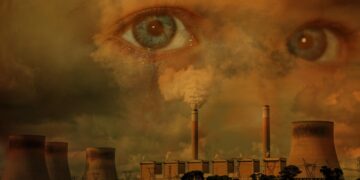
The industrial age ushered in unprecedented technological advances, economic growth, and societal progress. However, this progress came with significant environmental costs. Factory emissions are among the most pressing environmental issues, contributing to air pollution, climate change, and health problems globally. This article delves into the impact of factory emissions on environmental health, explores common concerns, and suggests practical solutions to mitigate these effects.
The Composition of Factory Emissions
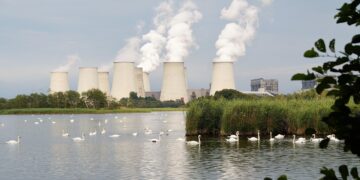
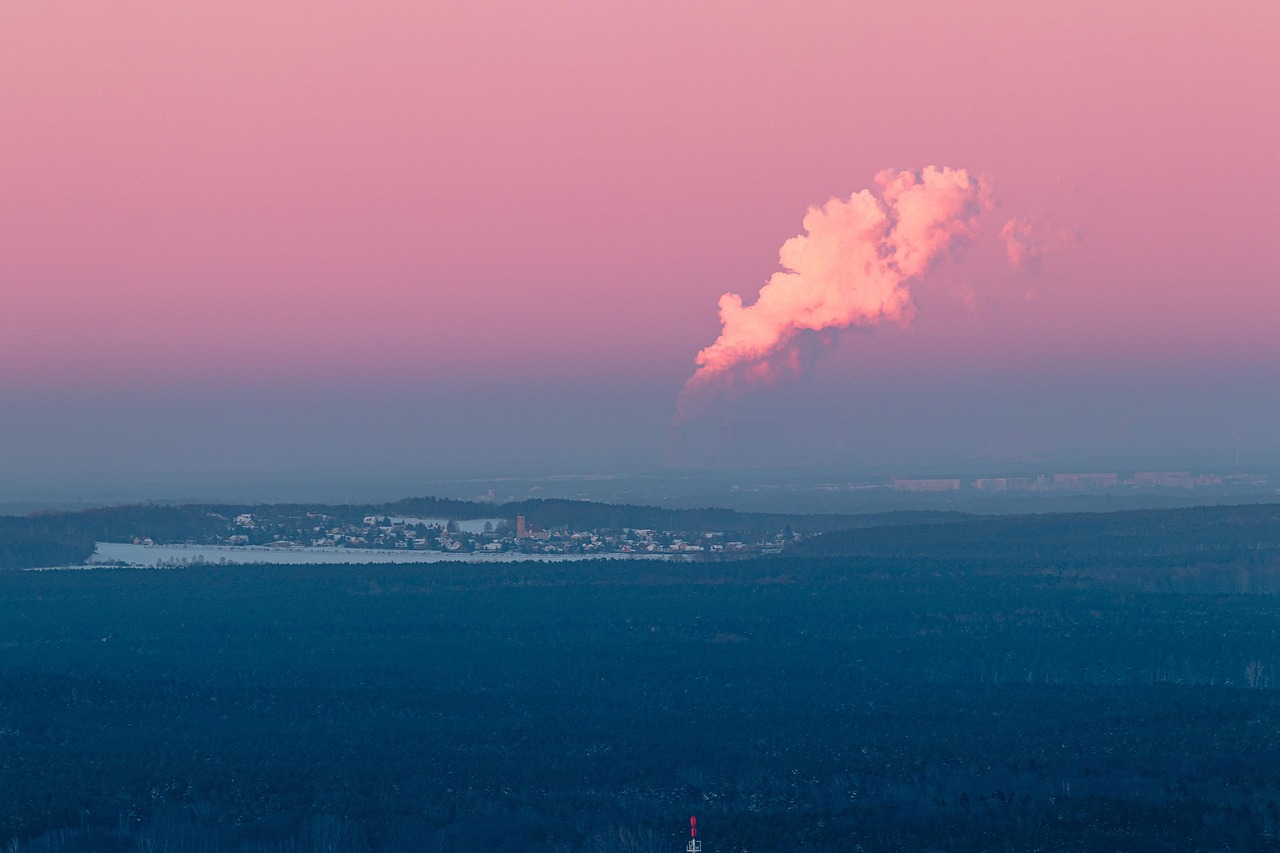
Factory emissions comprise a variety of pollutants including particulate matter (PM), sulfur dioxide (SO2), nitrogen oxides (NOx), carbon monoxide (CO), volatile organic compounds (VOCs), and heavy metals. These pollutants originate from the combustion of fossil fuels in industrial processes and can have devastating impacts on the atmosphere and public health.
Particulate Matter and its Dangers
Particulate matter, especially PM2.5, which are fine particles smaller than 2.5 micrometers in diameter, can penetrate deeply into the respiratory system and exacerbate or cause respiratory and cardiovascular diseases. Long-term exposure to PM2.5 is linked to increases in the rates of chronic bronchitis, reduced lung function, and premature death.
Hazardous Gases and their Effects
Nitrogen oxides and sulfur dioxide contribute to the formation of ground-level ozone and acid rain, both of which can cause harm to ecosystems, damaging forests, lakes, and soils, and impacting the biodiversity that depends on these habitats.
Climate Change and Global Warming
Factories contribute significantly to the world’s carbon footprint by emitting large quantities of greenhouse gases, particularly carbon dioxide (CO2). These gases trap heat in the earth’s atmosphere, leading to global warming and climate change. The resulting changes in climate can have catastrophic effects, including extreme weather events, rising sea levels, and altered agricultural patterns that threaten food security and water resources worldwide.
Health Impacts of Factory Emissions
Pollutants released from factories pose serious health risks. The World Health Organization (WHO) has classified outdoor air pollution as a major environmental risk to health, causing millions of premature deaths annually.
Respiratory and Cardiovascular Diseases
Factory emissions can increase the prevalence of respiratory ailments, such as asthma and bronchitis, and are strongly linked to cardiovascular disease. Children, the elderly, and those with pre-existing health conditions are particularly vulnerable.
Cancer Risks
Long-term exposure to certain air pollutants, such as benzene or dioxins, which can also be released in industrial emissions, has been linked to higher incidence rates of cancer, particularly lung cancer.
Solving the Emissions Crisis
To mitigate the environmental and health impacts of factory emissions, significant changes must be implemented across industries worldwide.
Regulations and Enforcement
Stricter regulations on air quality and industrial pollution are crucial. Moreover, these regulations must be vigorously enforced to ensure compliance by factories. This involves regular inspections and penalties for non-compliance.
Adopting Cleaner Technologies
Investing in and adopting cleaner technologies is necessary for reducing emissions. This includes transitioning from fossil fuels to renewable energy sources, such as solar or wind power, and investing in energy-efficient practices and equipment.
Public Awareness and Community Action
Increasing public awareness about the dangers of air pollution and mobilizing community action can pressurize companies to adopt more environmentally friendly practices. Additionally, individuals can contribute by advocating for policies that aim to reduce emissions and by participating in local and global environmental campaigns.
Conclusion
The negative impacts of factory emissions on environmental health are far-reaching and can no longer be ignored. By implementing stringent regulations, embracing clean energy, and fostering community involvement, we can help mitigate these effects and ensure a healthier planet for future generations. Public awareness and active participation are vital in urging industries and governments toward a more sustainable and cleaner future.