

Harnessing the Sun and Wind: The Crucial Role of Renewable Energy in Sustainable Development
The transition towards sustainable development hinges prominently on the integration and enhancement of renewable energy sources such as solar and wind power. As global energy demands continue to climb, the push for renewable energy solutions has become central in discussions about climate change, energy security, and economic growth. This article explores how solar and wind energy contribute to sustainable development, addressing common concerns and illustrating the potential impacts of these resources.
Understanding the Importance of Renewable Energy
Renewable energy is derived from natural processes that are replenished constantly. Unlike fossil fuels, which may deplete over time and are major sources of greenhouse gas emissions, renewable energy sources are clean and inexhaustible. The key role of renewable energy in sustainable development lies in its ability to meet current power needs without compromising future generations.
Advantages of Solar Energy
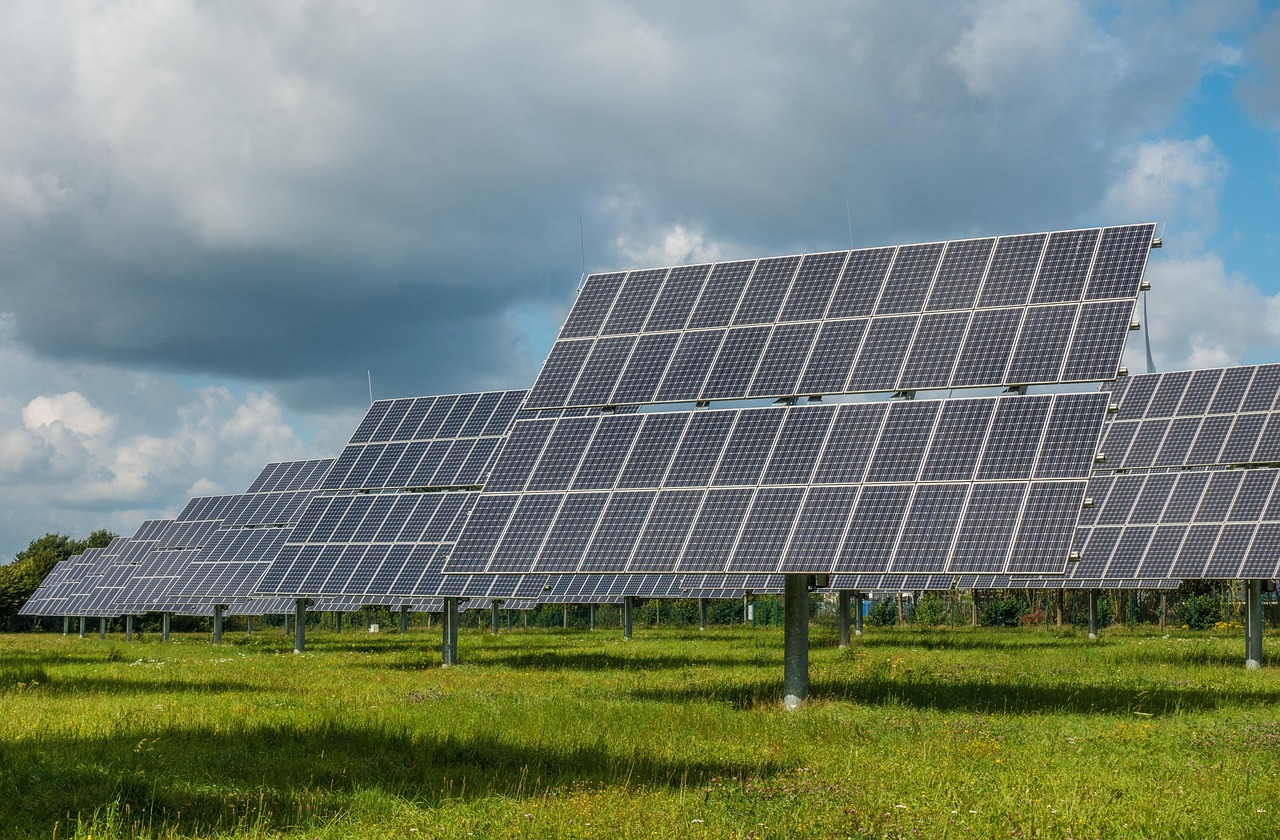
Solar energy is one of the most prolific forms of renewable energy. It involves converting sunlight directly into electricity using photovoltaic (PV) panels or through concentrated solar power (CSP), which uses mirrors to focus sunlight. The benefits of solar energy include:
- Abundance: The Earth receives a vast amount of solar energy daily, making it one of the most abundant energy sources available.
- Sustainability: Solar power generation produces no harmful emissions and significantly reduces the carbon footprint.
- Reduced Energy Bills: Solar panels can significantly decrease electricity costs for businesses and households.
- Low Maintenance Costs: Solar energy systems generally require little maintenance after installation.
Advantages of Wind Energy
Wind energy captures the natural wind in our environment and converts it into mechanical energy and electricity. It is considered one of the most efficient renewable energy sources. Key benefits include:
- Cost-Effectiveness: After initial setup, the cost of maintaining wind turbines is relatively low, and the energy produced over time compensates for upfront expenses.
- Space Efficiency: Wind farms can be placed in rural or offshore areas, utilizing spaces that might otherwise remain barren.
- Low Environmental Impact: Like solar, wind energy produces little to no greenhouse gas emissions once operational.
Integrating Solar and Wind Energy into the Energy Mix
Effective integration of solar and wind energy into existing energy systems is crucial for maximizing their benefits. This involves:
- Grid Integration: Developing smart grids and energy storage technologies to manage the variability and intermittency of solar and wind energy.
- Regulatory Support: Implementing policies that support the development and adoption of renewable technologies.
- Public Awareness: Educating the public about the benefits of renewable energy and how it contributes to environmental conservation and economic stability.
Challenges in Renewable Energy Adoption
Despite the advantages, there are several challenges faced by the renewable energy sector that can hinder its widespread adoption:
- High Initial Costs: The upfront cost of installing solar panels and wind turbines can be prohibitive despite long-term savings.
- Technological Barriers: Enhancing the efficiency of renewable energy technologies and developing cost-effective storage solutions remain significant challenges.
- Policy and Market Barriers: Inconsistent policy frameworks and market instability can deter investment in renewable energy projects.
Future Outlook and Global Impact
The future of renewable energy looks promising with continued technological advancements and increased global commitment to sustainability. Nations around the world are recognizing the potential of these energy sources in achieving energy independence, stabilizing energy prices, and promoting environmental sustainability.
Conclusion
Harnessing the power of the sun and wind not only aligns with global sustainability goals but also offers a feasible solution to the escalating energy demands and environmental concerns. As more technologies become available and as cost-efficient solutions are developed, solar and wind energy will play pivotal roles in our energy systems. For sustainable development, the integration of renewable energy is not just an option; it is imperative.
FAQs About Renewable Energy
Is renewable energy reliable enough to replace fossil fuels?
With advancements in energy storage and grid technologies, renewable energy can become as reliable as fossil fuels and serve as a major energy source worldwide.
What are the environmental impacts of solar and wind energy?
Solar and wind energy systems have minimal environmental impacts compared to fossil fuels, significantly reducing pollution and conserving natural resources.
How does renewable energy contribute to economic growth?
Renewable energy creates jobs, stimulates technology innovation, and can provide energy stability, all of which contribute to economic growth.



