Toxic Legacy: Unraveling the Impact of Pollution on Earth’s Ecosystems
Introduction
The health of Earth’s ecosystems is under threat, a dire consequence of decades of environmental negligence and industrial excess. Pollution—ranging from plastic waste to airborne emissions and chemical runoff—continues to deteriorate the natural world, affecting biodiversity, climate, and human health. This article delves into the profound impact of pollution on our ecosystems, exploring major types, consequences, and possible mitigations to preserve our planet for future generations.
Understanding the Types of Pollution
Air Pollution
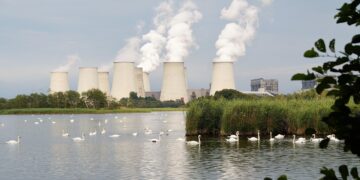
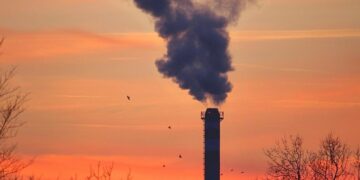
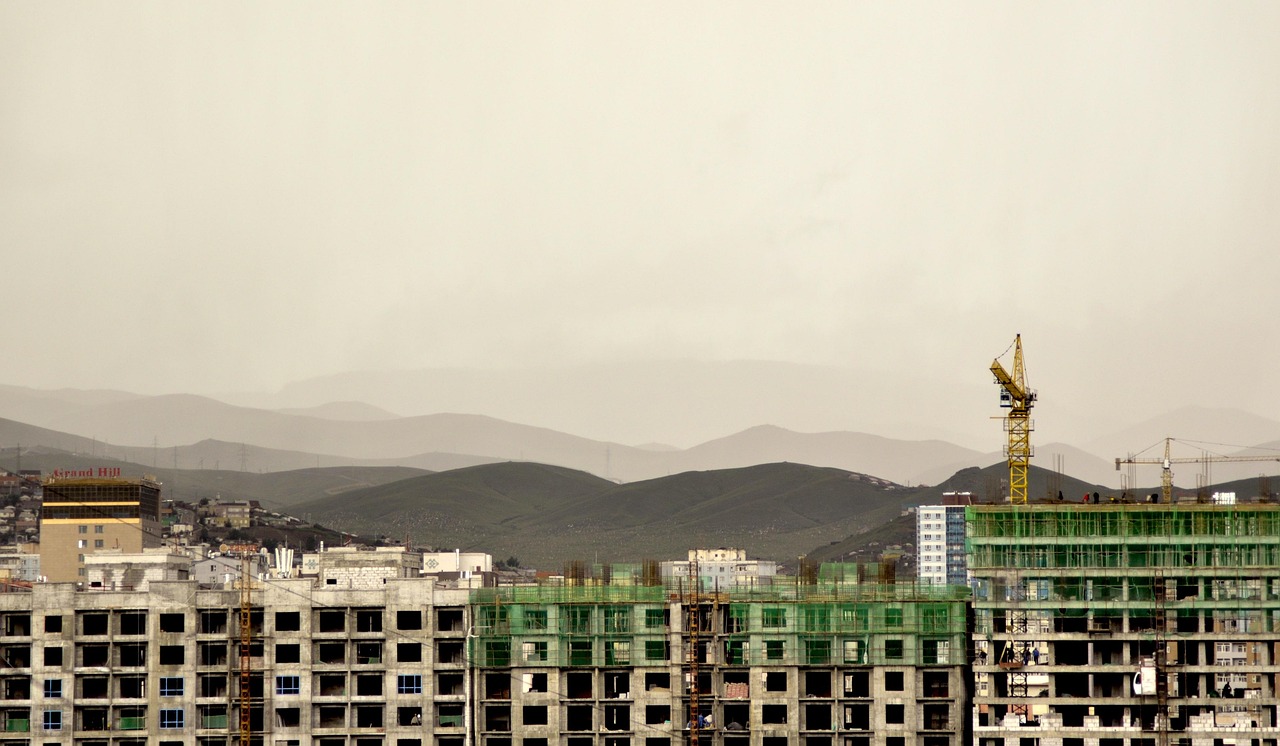
Air pollution, characterized by harmful substances in the atmosphere, is primarily produced by industrial activities, vehicle emissions, and natural sources such as wildfires. Key pollutants include particulate matter, nitrogen oxides, and sulfur dioxide, which contribute to problems like acid rain, climate change, and respiratory issues in wildlife and humans alike.
Water Pollution
Water bodies are not spared, suffering from contamination due to chemicals, waste, and pathogens. Sources are often industrial discharges, agricultural runoff, and improper waste disposal. This form of pollution leads to detrimental effects on aquatic life and compromises the quality of drinking water, thereby affecting food supplies and public health.
Soil Pollution
Soil pollution occurs when harmful chemicals, like pesticides and heavy metals, accumulate in the ground. These contaminants can be traced back to industrial waste, agricultural practices, and improper disposal of toxic substances. Soil contamination not only degrades land quality and crop health but also adversely affects food safety and ecosystem functionality.
Noise and Light Pollution
Though less discussed, noise and light pollution also disturb ecosystem balance. Excessive noise from urban development and transportation can affect animal communication and reproduction. Artificial lighting alters behaviors of nocturnal wildlife and can disrupt entire ecological timelines, including migration and reproduction cycles.
The Ecological Impact of Pollution
Effects on Biodiversity
Pollution poses one of the most significant threats to biodiversity. Chemical contaminants can lead to hazardous water and soil quality, which directly impacts plant and animal life, leading to altered habitats and food shortages. Dramatic declines in species populations, notably bees and other pollinators, underline the urgency of addressing pollution.
Impact on Climate Change
Pollutants such as carbon dioxide and methane are critical players in global warming. Their concentration in the atmosphere traps heat, leading to climate change. This not only affects weather patterns globally but also accelerates the melting of ice caps, sea-level rise, and extreme weather events, further stressing ecosystems.
Human Health Concerns
Human health is intricately linked to the health of ecosystems. Pollution of air, water, and soil has been linked to a myriad of health problems including respiratory diseases, cardiovascular conditions, and cancer. The bioaccumulation of toxic substances can have long-term detrimental effects on human health and well-being.
Strategies for Mitigation
Regulatory Measures
Effective regulation is crucial in managing and reducing pollution. Policies such as the Clean Air Act and regulations enforced by environmental protection agencies globally work towards controlling and mitigating emissions and discharges from various industries.
Technological Innovations
Advancements in technology offer promising solutions to pollution control. For instance, renewable energy sources such as wind and solar reduce dependency on fossil fuels. Innovations in waste management, including recycling and upcycling, are crucial in addressing the surplus of material waste.
Community and Global Actions
Awareness and education at community levels can drive change. Initiatives like community clean-ups and conservation programs engage the public directly in environmental protection efforts. Globally, treaties and international agreements ensure collaborative efforts to address pollution, fostering a unified approach to global environmental health.
Conclusion
The legacy of pollution is a complex challenge that requires cooperation, innovation, and dedication to overcome. As stewards of the planet, it is our responsibility to ensure that future generations inherit a world where the beauty and diversity of ecosystems are preserved and cherished. By understanding the sources, effects, and solutions related to pollution, we can take informed and effective steps toward a healthier Earth.
As we address common concerns and adopt best practices in our daily lives, each action contributes to a larger goal of ecological preservation and restoration. The time to act is now, to unravel and heal from the toxic legacy of past generations and secure a sustainable future.