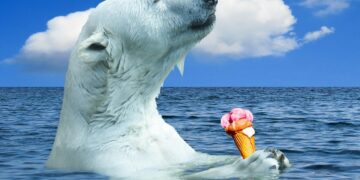
Understanding the Impact: Global Warming vs. Climate Change
In today’s ecological discourse, the terms ‘global warming’ and ‘climate change’ are often used interchangeably, yet they represent distinct phenomena with unique impacts on our planet. This deeper look into global warming vs. climate change discusses their differences, causes, effects, and the urgency of addressing these escalating environmental issues.
The Definitions: What Are Global Warming and Climate Change?
Global Warming Explained
Global warming refers to the long-term heating of Earth’s surface observed since the pre-industrial period (before 1850) due to human activities, particularly the emission of greenhouse gases (GHGs) like carbon dioxide and methane. This phenomenon is primarily linked to the use and burning of fossil fuels, leading to an increase in Earth’s average surface temperature.
Climate Change Defined
Climate change, on the other hand, encompasses not only rising global temperatures but also the broader range of changes happening to our planet. These changes include significant shifts in weather patterns, precipitation, sea levels, and habitats. Unlike global warming, which refers specifically to temperature increases, climate change covers both the direct and indirect effects of increasing global temperatures, as well as other anthropogenic influences.
Key Causes and Consequences
Causes of Global Warming and Climate Change
The primary driver of both global warming and climate change is the augmentation of greenhouse gases in the Earth’s atmosphere. Human activities, notably industrial processes, deforestation, and large-scale agriculture, exacerbate their concentration, disturbing the natural greenhouse effect.
Effects on Planet and Humanity
The effects of global warming and climate change are profound and far-reaching. Increased global temperatures are melting polar ice caps and glaciers, leading to rising sea levels and altered ocean currents. This not only endangers coastal communities but also disrupts global weather patterns and marine ecosystems. On land, more frequent extreme weather events such as hurricanes, droughts, and heavy rainfall occur, posing risks to human life, wildlife, and agriculture.
Addressing Common Questions
Are Global Warming and Climate Change Reversible?
While certain aspects of global warming and climate change can be mitigated, some effects are already irrevocable. However, through comprehensive international cooperation to reduce greenhouse gas emissions, promotion of renewable energy, and sustainable practices, we can limit their progression.
What Can Individuals Do to Help?
Individual actions matter significantly in the fight against global warming and climate change. Reducing fossil fuel consumption, conserving energy, using sustainable products, and supporting policies and leaders committed to environmental health are crucial steps everyone can take.
Global Initiatives and Future Directions
Internationally, agreements such as the Paris Climate Accord underline the collective resolve to tackle these issues. Future strategies emphasize not only technological innovation in energy and resources but also a fundamental shift towards sustainable economic and social policies.
Conclusion: A Call for Collective Action
Understanding the nuanced differences between global warming and climate change is essential for effective communication and action. While these environmental concerns pose significant challenges, the unified efforts of governments, corporations, and individuals hint at a hopeful future. By fostering a more sustainable and environmentally conscious global society, we can hope to witness a stabilization, or even a reduction, in the rates of global warming and climate change.
As we continue to delve deeper into the effects and solutions surrounding climate change and global warming, it’s clear that informed, comprehensive, and immediate action is our best hope for safeguarding the planet for future generations.