Harnessing the Power of Nature: The Critical Role of Renewable Energy in Sustainable Development
In today’s rapidly evolving world, the shift towards sustainable development has become imperative. As the finite reserves of fossil fuels dwindle and environmental concerns soar, renewable energy stands out as a beacon of hope. This article delves into the essential role that renewable energy plays in sustainable development, exploring its benefits, addressing common questions, and highlighting its inexorable link with a greener future.
Understanding Renewable Energy and Its Significance
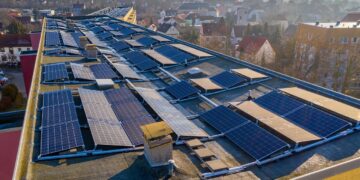
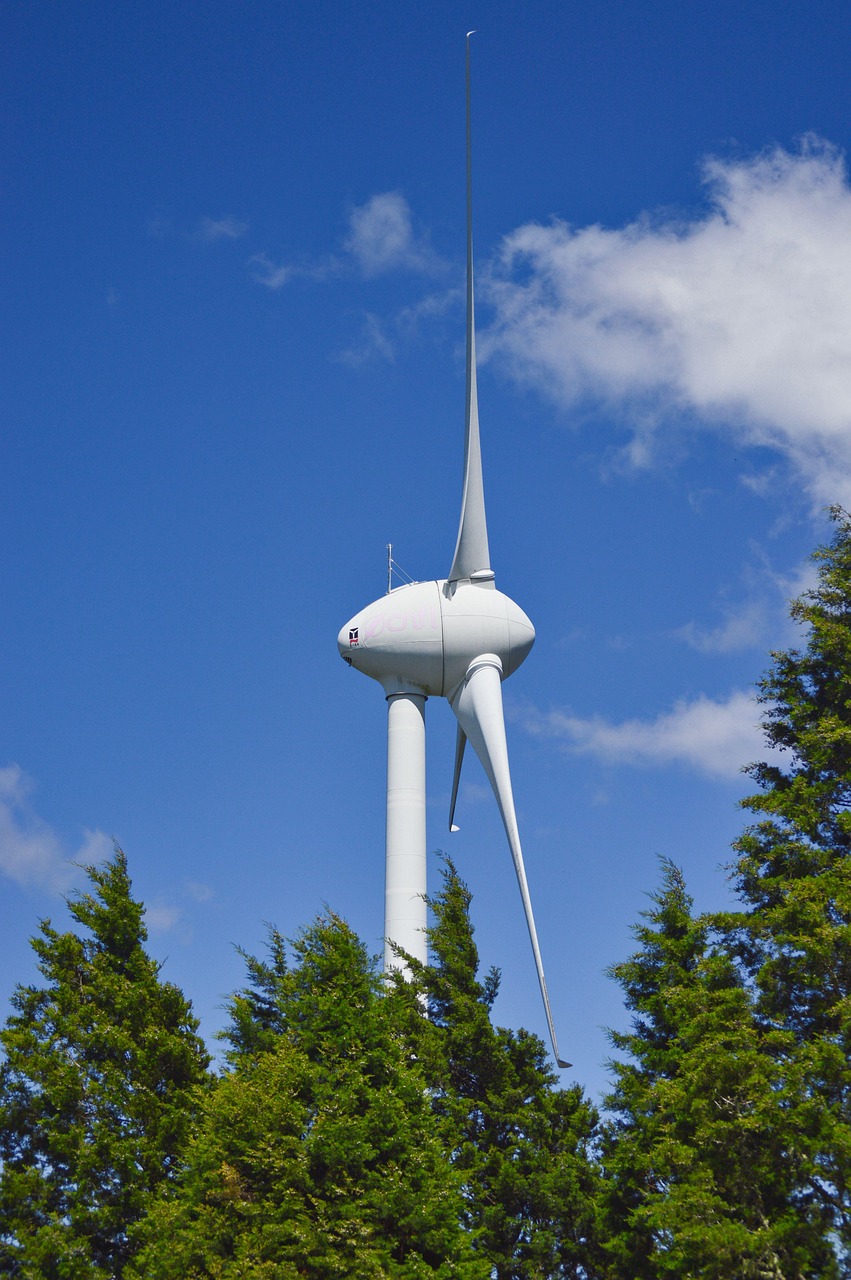
Renewable energy is derived from natural processes that are continuously replenished, including solar, wind, water (hydro), biomass, and geothermal sources. Unlike conventional energy resources like coal and petroleum, renewable energy resources offer a sustainable alternative that reduces greenhouse gas emissions and lowers carbon footprints.
The Environmental Impact of Renewable Energy
The adoption of renewable energy sources has profound environmental impacts. Foremost among these is the significant reduction in emissions of carbon dioxide and other harmful greenhouse gases. By transitioning to renewables, we not only combat climate change but also contribute to cleaner air and water.
Moreover, renewable energy projects often require less water than traditional power plants, reducing the strain on this precious resource. Additionally, they preserve natural habitats and biodiversity by reducing the need for mining and drilling activities associated with fossil fuel extraction.
Renewable Energy as a Driver for Economic Growth
Contrary to popular belief, the benefits of renewable energy transcend environmental impact. Economically, the renewable sector has become a powerful driver of growth. It creates jobs, from manufacturing solar panels to constructing and maintaining wind farms. According to reports from international energy agencies, the renewable energy sector has outpaced many traditional industries in job creation, providing sustainable employment opportunities across the globe.
Furthermore, renewables provide energy security. By diversifying energy sources, countries can reduce their dependence on imported fuels, enhancing their energy independence and stability.
Integrating Renewables into National Energy Strategies
As the demand for cleaner energy solutions grows, governments worldwide are integrating renewable energy into their national strategies. This often involves setting ambitious targets for reducing emissions and increasing the share of renewables in the energy mix. Incentives, subsidies, and regulatory support are crucial for accelerating the adoption of renewable technologies.
Moreover, advancements in technology are making renewables more accessible and affordable. Innovations in battery storage and grid management are particularly pivotal, as they address the challenge of intermittency associated with wind and solar energy, ensuring a reliable and consistent energy supply.
Addressing Common Questions and Misconceptions
Is Renewable Energy Reliable Enough to Power Modern Societies?
One common question about renewable energy is whether it can reliably meet the energy demands of modern societies. With advances in technology, particularly in energy storage and smart grid solutions, renewable energy can indeed provide consistent, dependable power that can fully support modern needs.
Are Renewable Resources Expensive?
The initial cost of setting up renewable energy systems can be higher than traditional fossil fuel plants. However, the overall economic benefits, including low operational costs and reduced environmental impact, outweigh these initial expenses over time. Furthermore, as technology progresses and scales up, the cost of renewables continues to decrease, making them more competitive with conventional energy sources.
The Future of Renewable Energy
The future of renewable energy looks promising. With growing technological advancements, increasing government support, and heightened public awareness, the adoption of renewable resources is expected to accelerate. Countries are increasingly viewing renewable energy not just as an environmental need but as an economic opportunity and a strategic asset.
Moreover, the integration of renewable energy with smart technologies such as AI and IoT for better management and forecasting signifies a shift towards more intelligent energy systems. This not only enhances efficiency but also boosts the reliability and performance of renewable installations, paving the way for a more sustainable and energy-independent future.
Conclusion
In conclusion, the critical role of renewable energy in sustainable development cannot be overstated. By harnessing the power of nature, renewable energy offers a feasible solution not only for combating climate change but also for propelling economic growth, ensuring energy security, and supporting societal development. As we continue to evolve and embrace cleaner technologies, the symbiosis between human progress and environmental preservation becomes ever more achievable.
Embracing renewable energy is not just a choice but a necessity for sustainable growth in the 21st century. By investing in and advocating for renewables, we can indeed make a significant impact on our planet’s health and our future generations’ prosperity.