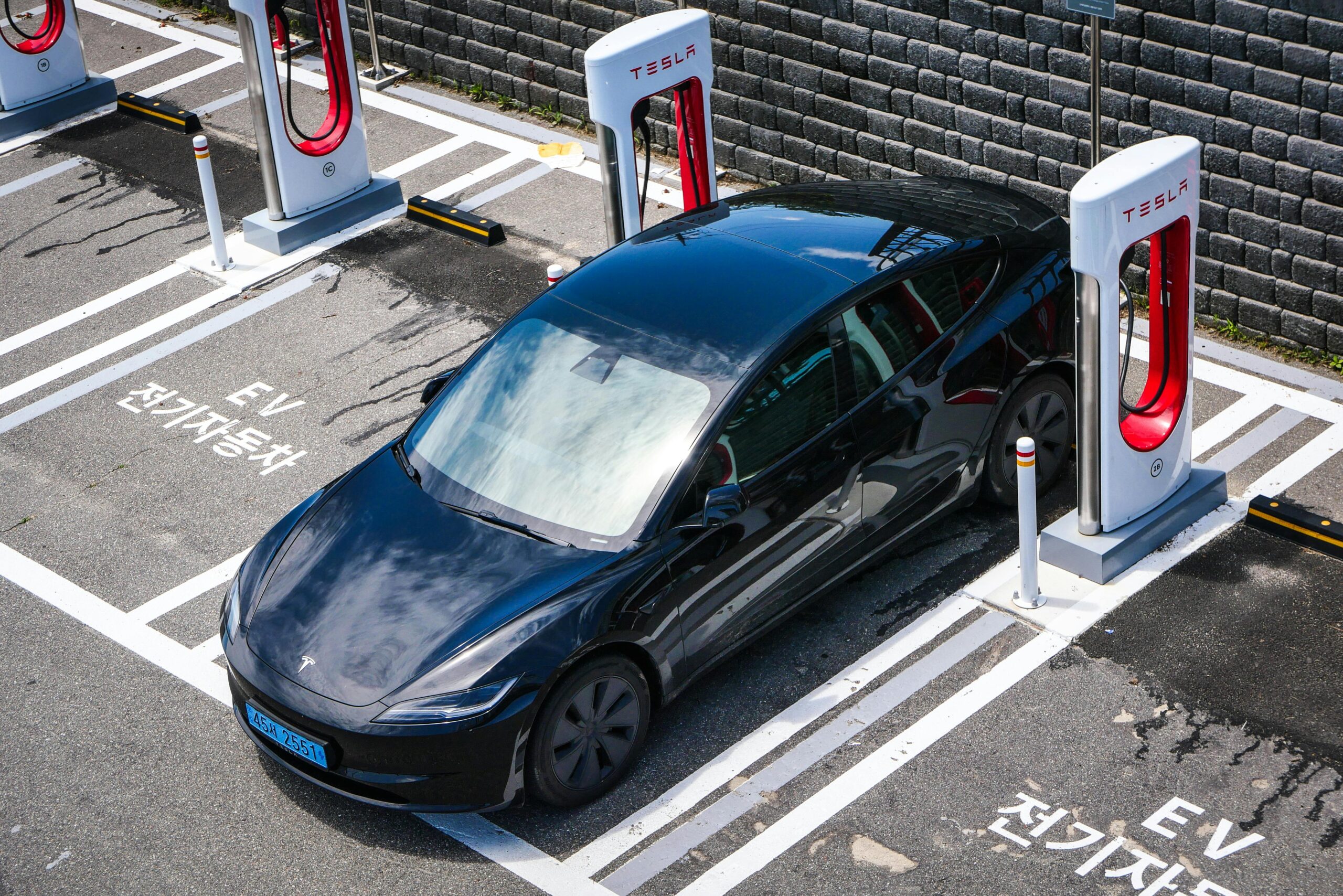
Integrating Eco-Friendly Technology: How Smart Homes Are Leading the Way to Sustainability
In the evolving landscape of environmental consciousness, the race towards sustainability has permeated the housing industry. Smart homes, once a luxury, have become pioneers of this eco-friendly revolution, integrating advanced technologies that not only elevate the quality of living but also rigorously protect our environment.
What is a Smart Home?
At its core, a smart home utilizes advanced systems and connected devices that automate and optimize functions such as heating, lighting, security, and much more. Through IoT (Internet of Things) technology, these homes are not just shells of security and comfort but are intelligently responsive to their inhabitants’ needs while being conscientious of energy consumption.
The Role of Smart Homes in Promoting Sustainability
Smart homes offer an impressive array of features geared towards reducing environmental footprint. Here’s how they are making a difference:
- Energy Efficiency: Automated systems in smart homes can significantly cut down on the amount of energy used by optimizing heating and cooling systems and integrating smart lighting that adjusts based on occupancy or time of day.
- Water Conservation: Smart irrigation systems can adjust watering schedules based on weather predictions, thereby saving considerable amounts of water.
- Reduced Carbon Footprint: With the integration of energy management systems, smart homes can operate more efficiently, reducing the overall carbon emissions associated with daily activities.
Key Technologies Driving Eco-Friendly Smart Homes
Several technologies stand at the forefront of this integration of eco-friendly practices into residential living, including:
- Smart Thermostats: Devices like Nest or Ecobee learn homeowners’ behaviors and adjust the home’s temperatures accordingly, minimizing energy use while maintaining comfort.
- LED Lighting: Smart LED lighting not only consumes less energy but can also be controlled and optimized based on usage patterns.
- Solar Energy Systems: Many smart homes are equipped with solar panels, which reduce reliance on non-renewable energy sources and decrease electricity bills substantially.
Challenges and Considerations
While smart homes contribute significantly to sustainability, there are challenges and concerns that need addressing:
- High Initial Costs: Transitioning to smart technologies can be cost-prohibitive for many, although they pay off in the long term through energy savings.
- Technology Adoption: There exists a learning curve and a resistance to change among many homeowners when it comes to adopting new technologies.
Success Stories: Real-Life Examples of Sustainable Smart Homes
Across the globe, numerous smart homes have made headlines for their innovative approach to sustainability:
- The Echo House in California, a paragon of green building, features biodegradable materials and energy-efficient systems that reduce energy usage by up to 60%.
- In Germany, the House E+ generates more energy than it consumes, thanks to its solar installations and intelligent energy management systems.
Frequently Asked Questions
How do smart homes save energy?
Smart homes save energy by utilizing automated systems that ensure only necessary energy is spent on heating, cooling, lighting, and other home functions. This is often achieved through motion sensors, adaptive learning of lifestyle patterns, and remote management of home devices.
Are smart homes really effective in conserving water?
Yes, by employing smart irrigation and plumbing systems, smart homes can dramatically decrease water usage, benefiting not just the homeowner but the environment as well.
What is IoT and how does it relate to smart homes?
IoT, or Internet of Things, refers to the network of interconnected devices that communicate and operate together. In smart homes, IoT is fundamental because it allows devices to work interactively and intelligently to optimize household efficiency.
Conclusion
Smart homes stand as a beacon of innovation in the quest for sustainability. By integrating eco-friendly technology, smart homes minimize environmental impact and offer a blueprint for future developments in sustainable living. As technology advances and becomes more accessible, the widespread adoption of smart homes is hopeful and imminent, promising a greener, more sustainable future.