

Easy Green: Beginner’s Guide to Eco-Friendly Energy Solutions
As awareness of environmental issues increases, so does interest in sustainable living, especially in the realm of energy solutions. Transitioning to eco-friendly energy is no longer just an environmental imperative but also an economical investment into a more sustainable future. This guide explores beginner-friendly paths to adopting greener energy solutions, ensuring that taking the first steps is both simple and impactful.
Understanding Eco-Friendly Energy
Eco-friendly energy typically refers to the use of resources that are renewable, unlike finite fossil fuels such as coal, oil, and natural gas. The most popular forms of renewable energy include solar power, wind energy, hydroelectric power, and biomass. Each of these energy sources significantly reduces environmental footprints, helping combat climate change and reduce pollution.
Benefits of Eco-Friendly Energy Solutions
- Sustainability: Renewable energy sources are abundant and regenerative, offering a perpetual energy supply.
- Lower Emissions: Reducing reliance on fossil fuels can directly result in lower carbon emissions, contributing less to global warming.
- Cost Efficiency: While initial setup costs can be high, the long-term savings in energy bills and maintenance are substantial.
Starting with Solar: An Ideal Choice for Beginners
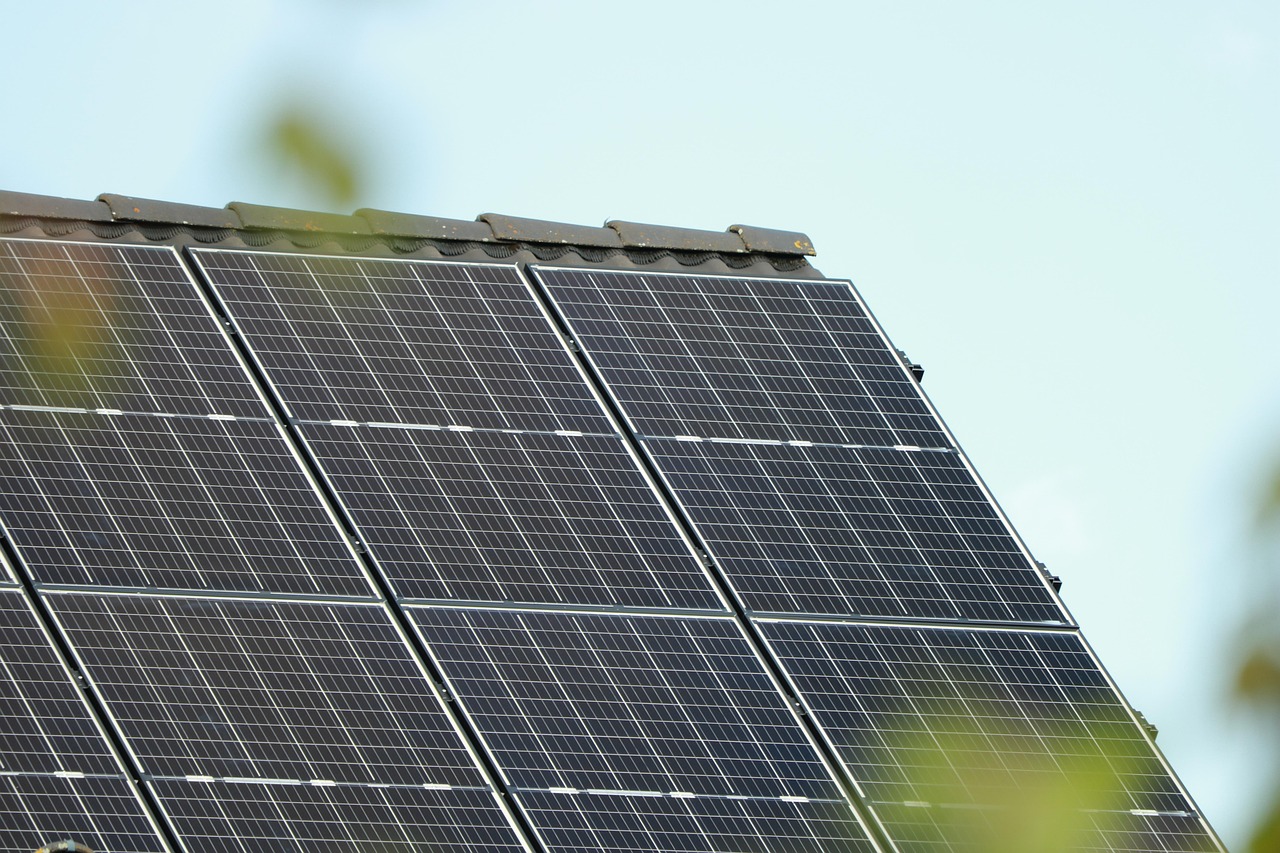
Solar energy stands out in the renewable energy spectrum for its accessibility and ease of implementation for individual homeowners. Installing solar panels can make a noticeable difference in your energy consumption and your overall carbon footprint.
Initial Steps Towards Solar Adoption
- Assessment of Solar Viability: Assess your property’s solar potential. Many local service providers offer free evaluations.
- Understanding Your Options: Decide whether to buy or lease your solar panels; purchasing provides long-term benefits, while leasing can reduce upfront costs.
- Installation: Hire certified professionals to ensure efficient setup and connection to the power grid.
Wind Power: Harnessing the Breeze
Wind energy is another potent source of clean power, especially suitable for rural or spacious environments. Small-scale wind turbines can power home systems and contribute excess power back to the grid.
Implementing Wind Energy Solutions
To start with wind energy, research zoning laws, and potential permits required in your area. Consider a site’s wind resource assessment and consult with local experts. Installation should always be conducted by a professional.
Geothermal and Hydro Solutions: Tapping into Earth and Water
Geothermal energy utilizes heat stored beneath the Earth’s surface, while micro-hydropower systems generate electricity from flowing water. Both sources are less common but offer significant environmental and energy production benefits.
Geothermal Systems Explained
For effective geothermal implementation, an underground feasibility study must evaluate if your location is suitable. The installation of geothermal systems should be managed by specialized professionals due to the complexity of the technology.
Considering Hydropower
If your property has a stream or river, a micro-hydropower system could be a viable option. Such setups generally require more specific conditions to be viable, including sufficient year-round water flow and a drop in elevation.
Energy Efficiency: The First Step
Beyond harnessing alternative energy sources, improving your energy efficiency is a crucial step. Simple actions like upgrading to LED lighting, utilizing smart thermostats, and better insulating your home can substantially reduce energy consumption.
Simple Tips for Energy Efficiency
- Invest in energy-efficient appliances that bear the Energy Star label.
- Implement programmable thermostats to better control heating and cooling.
- Enhance your home’s insulation to maintain desired temperatures efficiently.
Frequently Asked Questions (FAQs)
What is the best eco-friendly energy option for a typical household?
For most homes, solar panels offer the most accessible and adaptable solution. However, the best choice can vary based on geographic and environmental factors.
Are renewable energy sources reliable enough to power my entire home?
Yes, technologies like solar and wind can provide sufficient energy for an entire home. Investing in energy storage solutions like batteries can help manage intermittent supply.
What are the financial implications of switching to eco-friendly energy?
Initial installation costs can be high, but governmental incentives and decreasing technology costs are making it more feasible. The long-term savings on energy bills often offset the initial expense.
Conclusion
Making the switch to eco-friendly energy solutions not only contributes to a healthier planet but also can lead to substantial cost savings over time. Whether you opt for solar, wind, geothermal, or hydro systems, the steps to greener energy are simpler than ever. With growing technological advancements and increased accessibility, now is the perfect time to consider how you can integrate sustainable practices into your daily life.



