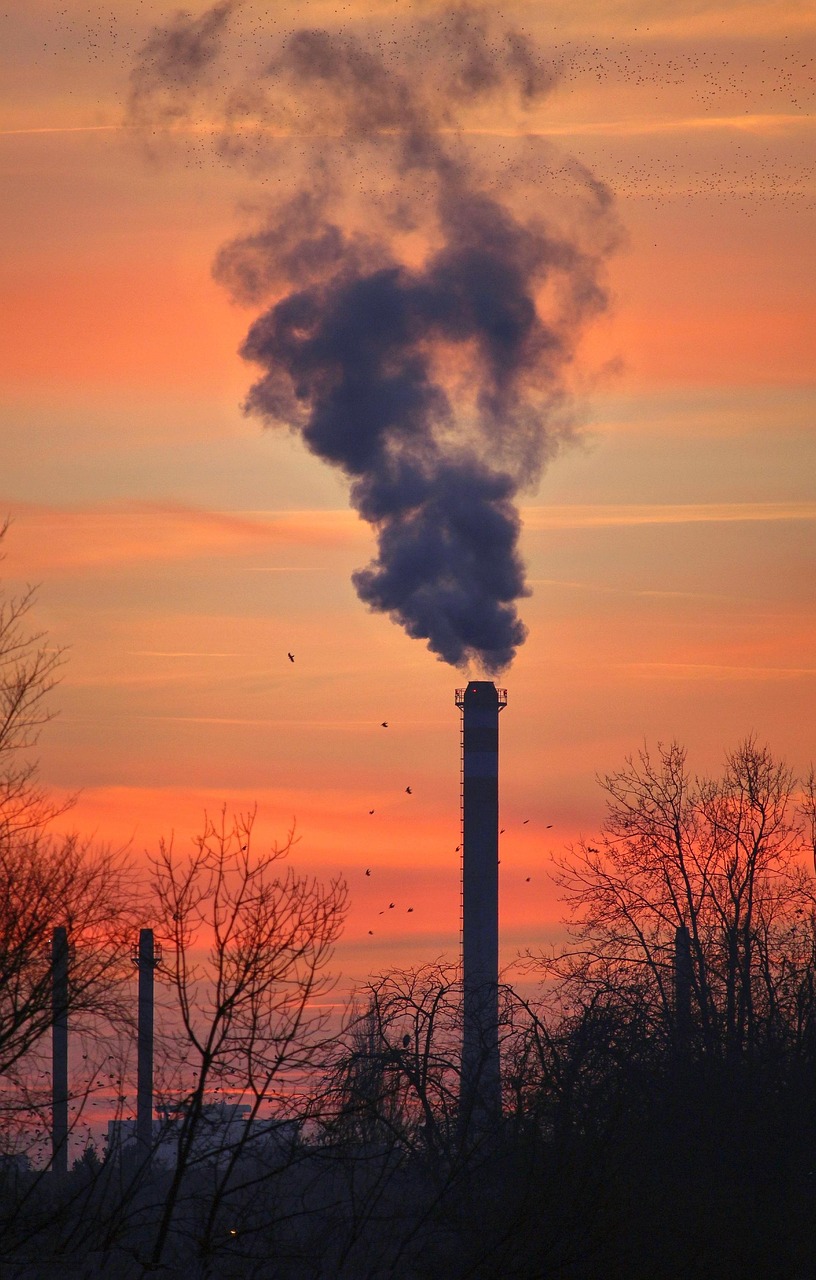
Everyday Practices That Damage Earth: Unseen Consequences of Common Routines
In our daily lives, many routine activities seem harmless but cumulatively have a significant negative impact on our planet. These practices, often overlooked, contribute to environmental degradation, pollution, and the hastening of climate change. Understanding and adjusting these common routines can help reduce our ecological footprint and promote a more sustainable future.
Excessive Use of Disposable Plastics
One of the most pervasive problems is the excessive use of disposable plastics. Items like plastic bags, straws, coffee cups, and food packaging might offer convenience, but they are detrimental to the environment. Most of these plastics are not biodegradable and end up in landfills, oceans, and other natural habitats, posing threats to wildlife and ecosystems. Reducing reliance on single-use plastics by opting for reusable alternatives is a simple yet effective way to mitigate this issue.
Impact on Marine Life
Plastic waste severely impacts marine life. Animals can ingest or become entangled in plastic debris, leading to injury or death. Additionally, plastics break down into microplastics, which contaminate water sources and enter the food chain, affecting biodiversity and ecosystem health.
Overuse of Energy in Homes
Excessive energy consumption in households is another routine that has unseen consequences on the environment. Overuse of heating and cooling systems, leaving electronics on standby, and using inefficient appliances contribute to higher carbon emissions and energy waste. Adopting energy-efficient practices, such as using programmable thermostats, switching to LED lighting, and unplugging devices when not in use, can significantly reduce one’s carbon footprint.
Carbon Footprint and Climate Change
The burning of fossil fuels for electricity and heat is a major source of carbon dioxide, a greenhouse gas that contributes to global warming. By optimizing our energy use at home, we not only conserve resources but also help mitigate climate change.
Car Dependency
Heavy reliance on automobiles for daily commutes is a deeply ingrained routine that has a profound environmental impact. Cars emit carbon monoxide, nitrogen oxides, and other pollutants that degrade air quality and contribute to climate change. Encouraging the use of public transportation, carpooling, biking, or walking can greatly reduce individual and collective carbon emissions.
Urban Sprawl and Habitat Loss
Car dependency also encourages urban sprawl, which leads to habitat loss and fragmentation. Expanding urban areas encroach on natural habitats, threatening local wildlife and disrupting ecosystems. Promoting compact and connected urban designs that prioritize public transport and green spaces can help address these issues.
Wasteful Water Practices
Water is a precious resource, yet wasteful water practices are common in many households. Activities such as taking long showers, running partially filled dishwashers, and overwatering lawns contribute to unnecessary water consumption and strain water supplies. Simple actions like fixing leaks, installing water-efficient fixtures, and using water wisely can conserve significant amounts of this vital resource.
Effects on Aquatic Ecosystems
Excessive water usage lowers the water levels in rivers and lakes, affecting aquatic life. It also increases the concentration of pollutants in these water bodies, leading to poorer water quality and harming organisms dependent on these ecosystems.
Improper Disposal of Electronic Waste
The rapid rate of technological advancements has led to increased electronic waste, or e-waste. Improper disposal of e-waste pollutes the environment with toxic substances like lead, mercury, and cadmium. Ensuring proper recycling and disposal of electronic devices can prevent these toxins from harming the environment and human health.
Toxic Buildup and Soil Degradation
When e-waste is improperly disposed of, toxic substances can leach into the soil, contaminating it and underlying water sources. This not only degrades the soil, making it less fertile, but also poses serious health risks to wildlife and humans alike.
Conclusion
Our everyday actions, whether it’s how we manage our waste, how we travel, or how we use resources, all have consequences on the environment. By making mindful choices and adopting more sustainable practices, we can significantly lessen our impact on the planet. Educating others about the unseen consequences of our common routines also plays a crucial role in fostering broader environmental responsibility and action.
Remember, each small change in our daily routine can lead to substantial benefits for our Earth. It’s up to each one of us to make those changes for a healthier planet.