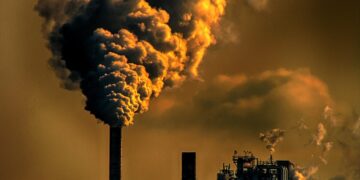
Air Pollution and Public Health: Unveiling the Hidden Dangers of Factory Emissions
Air pollution remains one of the most significant environmental threats to human health, particularly concerning the impact of industrial emissions. As factory operations continue to emit various pollutants, understanding the scope and effects of these emissions is paramount for public health protection. This article delves into the critical aspects of air pollution caused by factory emissions, shedding light on its health impacts, regulatory measures, and sustainable interventions.
Understanding Factory Emissions: Sources and Types of Pollutants
Factories emit a wide range of pollutants, primarily particulate matter (PM), nitrogen oxides (NOx), sulfur dioxide (SO2), carbon monoxide (CO), and volatile organic compounds (VOCs). These pollutants originate from various industrial processes including combustion of fossil fuels, chemical processing, and metal smelting.
- Particulate Matter (PM): These are tiny particles or droplets in the air that can penetrate deep into the lungs and even enter the bloodstream, causing various health problems.
- Nitrogen Oxides (NOx) and Sulfur Dioxide (SO2): These gases react with other substances in the atmosphere to form fine particles and ground-level ozone, both of which are harmful when inhaled.
- Carbon Monoxide (CO): A colorless, odorless gas that can be particularly harmful by reducing the amount of oxygen that can be transported in the bloodstream.
- Volatile Organic Compounds (VOCs): Organic chemicals that have a high vapor pressure at room temperature and contribute to the formation of smog.
Health Impacts of Pollution from Factory Emissions
The health ramifications of exposure to factory emissions are extensive, affecting multiple systems in the body. Respiratory issues, cardiovascular diseases, skin irritation, and even neurological problems can arise from prolonged exposure to polluted air. Children, the elderly, and individuals with pre-existing health conditions are particularly vulnerable.
- Respiratory and Cardiovascular Diseases: Long-term exposure to PM and ozone can lead to significant respiratory problems including asthma, chronic bronchitis, and emphysema, as well as cardiovascular issues such as heart attacks and arrhythmias.
- Cancer: Certain air pollutants like benzene, found in VOCs, have been linked to cancer, particularly leukemia and other blood cancers.
- Neurological Problems: Emerging research suggests a correlation between air pollution and neurological disorders, including dementia and reduced cognitive function.
Regulatory Measures to Control Industrial Air Pollution
Efforts to mitigate the impact of factory emissions on public health have led to the implementation of various regulatory measures worldwide. These regulations are designed to limit the amount of pollutants that factories can emit into the atmosphere.
- Clear Air Acts and Environmental Protection Laws: Many countries have established comprehensive laws that require industries to meet specific emissions standards, aiming to significantly reduce the levels of harmful pollutants released into the air.
- Emissions Trading Schemes (ETS): Some regions implement ETS, which provide economic incentives for reducing emissions. Factories are given a certain quota of emissions; if they exceed this quota, they must buy allowances from others or face penalties.
- Technological Upgrades: Regulations often drive the adoption of cleaner technologies in factories, such as scrubbers and filters, which significantly reduce the emissions of particulate matter and toxic gases.
Sustainable Interventions to Reduce Factory Emissions
Beyond regulation, there are sustainable practices that factories can adopt to minimize their environmental impact. These include switching to renewable energy sources, improving energy efficiency, and implementing stricter internal environmental policies.
- Renewable Energy: Factories can decrease reliance on fossil fuels by integrating renewable energy sources such as solar, wind, or hydroelectric power.
- Energy Efficiency: Upgrading equipment and refining processes to use less energy can also help reduce overall emissions.
- Waste Reduction Measures: Reducing waste, particularly hazardous waste, can decrease the overall pollution burden and improve public health outcomes.
Conclusion
The connection between air pollution from factory emissions and public health is undeniable. With substantial evidence pointing to significant health risks associated with industrial air pollutants, it is crucial for both policy-makers and factory operators to seek out and implement effective measures to reduce emissions and protect public health. Through stringent regulations, technological advancements, and sustainable practices, the detrimental health impacts of factory emissions can be significantly mitigated, leading to cleaner air and enhanced public health safety.
FAQs
What is the most harmful pollutant emitted by factories?
While all pollutants pose risks, particulate matter is particularly harmful due to its ability to penetrate deep into the lungs and enter the bloodstream.
How can individuals protect themselves from pollution?
Wearing masks, staying indoors on high pollution days, and using air purifiers can help reduce exposure to harmful pollutants.
Are there any long-term solutions to industrial air pollution?
Yes, transitioning to renewable energy sources, improving industrial energy efficiency, and enforcing stricter environmental regulations are essential long-term strategies.